

Introduction
Searching for a tortoise to buy that will end up being a valued friend for decades? You've located the right source. As reptile professionals with over 15 years of hands-on experience reproduction and caring for uncommon tortoise types, we recognize the commitment and understanding needed to select the best chelonian companion. Whether you're looking for an angonoka tortoise to buy, a stunning real albino turtle available, or the magnificent aldabra tortoise offer for sale, this thorough guide provides every little thing you require to make a notified, liable purchase choice.
The tortoise market has advanced substantially, with captive-bred samplings ending up being the honest standard while wild-caught imports deal with stringent guidelines. Recognizing types needs, legal factors to consider, and long-term treatment dedications separates effective tortoise keepers from those that deal with dissatisfaction.
Understanding Tortoise Species Available for Purchase.
Popular Tortoise Species and Their Characteristics.
Sulcata Tortoises (African Spurred).
The third-largest tortoise types worldwide, sulcatas require substantial area and commitment. Standard specimens reach 100-150 extra pounds, while the uncommon ivory sulcata turtle available for sale represents a spectacular leucistic morph with pale golden-cream coloration rather than normal brown tones. These mild titans live 70+ years and require outside rooms in cozy climates.
Aldabra Giant Tortoises.
When searching for an aldabra turtle to buy, recognize you're purchasing one of Earth's longest-living animals. These amazing pets reach 550 extra pounds and require specialized room with year-round cozy temperature levels. Aldabras show impressive intelligence and individuality, acknowledging their caretakers and responding to names.
Radiated Tortoises.
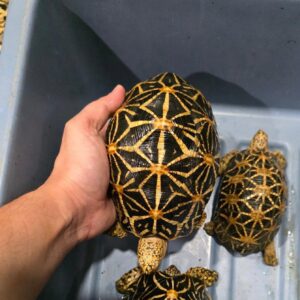
The critically endangered radiated turtle available for sale options come solely from recognized captive breeding programs. Their striking star-pattern coverings make them extremely desirable, but stringent CITES policies govern their sale. These Madagascar citizens require precise humidity degrees (60-80%) and temperature levels between 75-90 ° F. Ultra-Rare Morphs and Species.
Angonoka Tortoises.
Finding an angonoka turtle available is exceptionally rare and greatly regulated. Likewise called ploughshare tortoises, less than 400 exist in the wild. Legal samplings come just from globally identified reproducing programs with substantial paperwork. Expect investment degrees surpassing $50,000 for genuine captive-bred individuals.
True Albino Specimens.
A real albino turtle up for sale represents the pinnacle of hereditary rarity in chelonians. Unlike amelanistic morphs that retain some coloring, true albinos lack all melanin, presenting white shells, pink skin, and red eyes. These pets need specialized care consisting of UV security and changed lighting to avoid eye damage.
Secret Factors When Selecting Your Tortoise.
Health And Wellness Assessment Checklist.
Eyes: Clear, brilliant, alert without discharge or swelling.
Shell: Firm with smooth scutes, no pyramiding or soft areas.
Nostrils: Clean, dry, no bubbling or mucus.
Weight: Substantial for dimension, no noticeable hip bones.
Task Level: Responsive, energetic throughout cozy hours.
Hunger: Eager eater with consistent feeding patterns.
Age Considerations.
Hatchlings (0-1 year).
Lower first price ($ 150-$ 500 for usual species).
Requires extensive day-to-day care and monitoring.
Greater mortality threat in first year.
You witness total development cycle.
Juveniles (1-5 years).
Established feeding patterns ($ 300-$ 1,200).
Past crucial very early growth stage.
Still versatile to new atmospheres.
Balance of expense and decreased danger.
Grownups (5+ years).
Immediate full-size companion ($ 800-$ 5,000+).
Established individuality and practices.
May require change period.
Greater purchase cost but tested health.
Legal and Ethical Purchasing Guidelines.
Paperwork Requirements.
Every legit tortoise available for sale ought to include:.
Mentions permits (for safeguarded species).
Vet wellness certifications (dated within 30 days).
Captive-bred paperwork with reproducing facility information.
Integrated circuit registration for important varieties.
Treatment sheet specifics for that individual turtle.
Recognizing Reputable Sellers.
Green Flags:.
Established reproducing center with physical place.
Thorough species-specific treatment info provided.
Health warranty of 7-14 days minimum.
Multiple reference images of real pet.
Clear communication regarding challenges and requirements.
Subscription in reptile reproducing associations.
Red Flags:.
Refusal to offer CITES documents for controlled varieties.
Prices dramatically listed below market price.
Limited or stock images only.
Stress strategies or "restricted time" offers.
Hesitation to respond to certain treatment questions.
No health and wellness assurance or return plan.
Important Care Requirements by Species Size.
Little to Medium Species (10-50 lbs).
Room Needs:.
Minimum 8x4 feet interior area for grownups.
Exterior accessibility throughout suitable weather.
Substratum depth of 4-6 inches for tunneling.
Numerous hide boxes and basking areas.
Environment Control:.
Basking area: 95-100 ° F. Cool end: 75-80 ° F. Nighttime: 65-75 ° F.
UVB lights 10-12 hours daily.
Large Species (50-500+ lbs).
Room Requirements:.
Minimum exterior yard of 100+ square feet.
Heated shelter for winter.
Several feeding terminals.
Superficial soaking pools.
Facilities Investment:.
Reinforced secure fencing (tortoises are remarkably strong).
Greenhouse or heated barn room.
Water systems for hydration pools.
Lawn maintenance devices for grazing locations.
Expense Analysis: Initial Investment vs. Lifetime Expenses.
Purchase Price Ranges (Captive-Bred, 2025).
Common Species:.
Russian Tortoise: $150-$ 300.
Greek Tortoise: $200-$ 400.
Sulcata Tortoise: $100-$ 350.
Hermann's Tortoise: $250-$ 600.
Costs Species:.
Aldabra Tortoise: $3,000-$ 12,000.
Radiated Tortoise: $1,500-$ 5,000.
Leopard Tortoise: $300-$ 800.
Ultra-Rare Morphs:.
Cream color Sulcata: $2,000-$ 8,000.
True Albino (any type of types): $5,000-$ 25,000+.
Angonoka (if lawfully offered): $50,000+.
Yearly Maintenance Costs.
Food: $200-$ 800 (relying on size).
Electrical energy: $300-$ 1,200 (heating/lighting).
clickhere : $150-$ 500 (check-ups, preventative treatment).
Substrate/Bedding: $100-$ 300.
Supplements: $50-$ 150.
Equipment substitute: $100-$ 400.
Overall yearly cost: $900-$ 3,350 for regular varieties.
Pros & Cons of Tortoise Ownership.
Benefits ✅.
Long life Companion.
Many species outlive pet cats, pets, and even lots of parrot varieties. Your turtle can become a multi-generational member of the family, potentially living 50-150+ years with correct treatment.
Low-Allergy Pet.
Perfect for families with fur allergies. Tortoises generate no dander and need no pet grooming that activates allergic reactions.
Outdoor Integration.
Numerous types grow with outdoor accessibility throughout cozy months, coming to be living lawn ornaments that naturally take care of particular plants while offering countless home entertainment.
Very Little Training Required.
Unlike animals, turtles do not need house-breaking, obedience training, or behavior alteration. They run on instinct but do learn feeding routines and identify their caretakers.
Challenges to Consider ⚠.
Considerable Space Needs.
Huge types call for committed backyards. Even smaller species require more area than frequently presumed minimal 8x4 feet for adults, with exterior gain access to strongly suggested.
Long-Term Commitment.
Buying a turtle implies planning for years. Consider your life trajectory: Will you relocate? Have kids? Retire? Your turtle will likely be there with all these shifts.
Specialized Veterinary Care.
Not all vets deal with reptiles. Finding a knowledgeable exotic vet is necessary, and specialized care prices greater than conventional animal care.
Climate Limitations.
Several species can not tolerate chilly environments without costly warmed housing. Winter months home heating bills can be considerable in north areas.
Expert Recommendations for First-Time Buyers.
After dealing with thousands of brand-new turtle proprietors, these types consistently verify most flexible for newbies:.
Russian Tortoise - Hardy, manageable dimension, endures temperature level variants.
Greek Tortoise - Similar to Russian, a little more individuality.
Hermann's Tortoise - European types with excellent temperament.
Leopard Tortoise - Larger option with simple treatment requirements.
Prevent as initial turtle:.
Sulcatas (grow also big for most proprietors to maintain appropriately).
Redfoot/Yellowfoot (need exact humidity management).
Any kind of unusual or endangered types calling for specialized licenses.
The Purchasing Process: Step-by-Step.
Phase 1: Research and Preparation (2-3 months before acquisition).
Study species-specific treatment demands thoroughly.
Construct or purchase full unit setup.
Develop relationship with unique veterinarian.
Sign up with tortoise-keeping neighborhoods for continuous support.
Determine realistic long-lasting budget.
Phase 2: Seller Selection (1 month prior to acquisition).
Determine 3-5 credible breeders or vendors.
Request references from previous clients.
Ask details inquiries regarding individual pets.
Confirm all documentation demands.
Review health assurances and return policies.
Phase 3: Acquisition (purchase week).
Check tortoise thoroughly in individual (when feasible).
Acquire all documentation prior to wrapping up payment.
Protected correct shipping if acquiring remotely.
Set up preliminary vet check within 72 hours.
Quarantine period if you have other reptiles.
Stage 4: Acclimation (first 2-4 weeks).
Minimize dealing with to reduce stress.
Monitor feeding, defecation, and habits daily.
Maintain thorough records of temperature level and moisture.
Gradual intro to long-term enclosure.
Comply with up vet check out if any kind of issues emerge.
Often Asked Questions (Schema-Ready) ❓.
Q: How long do turtles live in bondage?
A: Lifespan differs by varieties. Smaller turtles like Russians live 40-60 years, while titans like Aldabras can surpass 150 years. Most common family pet varieties ordinary 50-100 years with correct treatment, making them real life time buddies that typically require estate preparation for their continued treatment.
Q: Can I maintain a tortoise in my apartment or condo?
A: Small varieties like Russians or Greeks can adapt to huge indoor units (minimal 8x4 feet), however the majority of turtles thrive with exterior access. House living functions best in cozy environments where veranda or outdoor patio accessibility provides all-natural sunshine. Giant types definitely call for lawn area and disagree for home living.
Q: What do turtles consume daily?
A: Most tortoises are herbivores needing varied environment-friendlies (dandelion, collard, turnip eco-friendlies), grasses, and periodic vegetables. Stay clear of lettuce, spinach over, and never feed pet healthy protein. Grownups consume 4-5 times weekly; hatchlings call for daily feeding. Calcium supplements 2-3 times regular is crucial for shell health and wellness.
Q: Do tortoises require companions or can they live alone?
A: Tortoises are solitary animals in nature and prosper as solitary animals. Multiple men will certainly combat aggressively. Male-female pairs function just in extremely big areas with separate areas. Most experts recommend keeping turtles separately unless you're an experienced breeder with appropriate centers.
Q: What's the distinction between captive-bred and wild-caught tortoises?
A: Captive-bred tortoises adapt far better to human treatment, carry fewer parasites, and don't diminish wild populations. Wild-caught specimens usually experience serious anxiety, reject food, and have higher mortality rates. Furthermore, importing wild tortoises is unlawful for the majority of safeguarded varieties. Constantly select captive-bred animals from recorded reproduction programs.
Conclusion: Making Your Tortoise Purchase Decision.
Discovering the excellent turtle for sale calls for balancing species characteristics, care abilities, lawful demands, and long-term dedication. Whether you're captivated by a cream color sulcata tortoise up for sale with its sensational coloration, fascinated by the preservation tale behind a radiated tortoise for sale, or looking for the outstanding presence of an aldabra turtle to buy, prioritize wellness, documents, and moral sourcing most of all else.
Remember: a tortoise isn't simply a pet it's a multi-decade connection needing constant care, significant resources, and genuine devotion. But also for those prepared to fulfill these needs, tortoises supply unrivaled friendship, interesting actions, and the advantage of caring for among nature's most ancient and durable creatures.
Take your time, do detailed research, and choose a tortoise that matches your way of living and capabilities. Your future shelled companion is entitled to absolutely nothing less than your totally educated, passionate dedication.